The youth of India are brimming with creativity, ambition, and vitality. However, they frequently encounter a daunting reality: despite years of education, securing a desirable job often seems elusive. Youth unemployment stands as one of the most significant challenges our nation faces today. The encouraging aspect is that progress is underway. Across India, a new generation of educational NGOs dedicated to youth is emerging — not only assisting young individuals in finding employment but also empowering them to forge their own paths. At Udhyam Learning Foundation, we hold the conviction that every young person is entitled to the opportunity to succeed. Through the acquisition of practical skills, the initiation of their own small enterprises, or the establishment of connections with suitable mentors, we witness daily transformations in lives. Below, we explore five impactful strategies employed by NGOs focused on youth empowerment that are addressing youth unemployment and fostering a more optimistic future for millions.
You know that feeling when someone says ” I ‘ve graduated… but now what? ” It’s not confusion. It’s not lazy. It’s something deeper. It’s like an indescribably quiet panic because you know that after a long summer of school you have no idea how the real-world works. This is not the fault of young people. Far from it. It’s a system problem. The vast majority of our education is still about textbooks and tests, not the skills that actually help you land a job, build a business, or even speak up in a meeting.
That’s where the Educational NGOs in India are taking up their mandate with great force. They ‘re asking: what if we stopped taking children for exams & started taking them for life? It’s something that we at the Udhyam Learning Foundation — and many others like it — are seeing every day. Young people aren’t learning how to pass, they are learning how to thrive.
1.Teaching Skills That Actually Matter
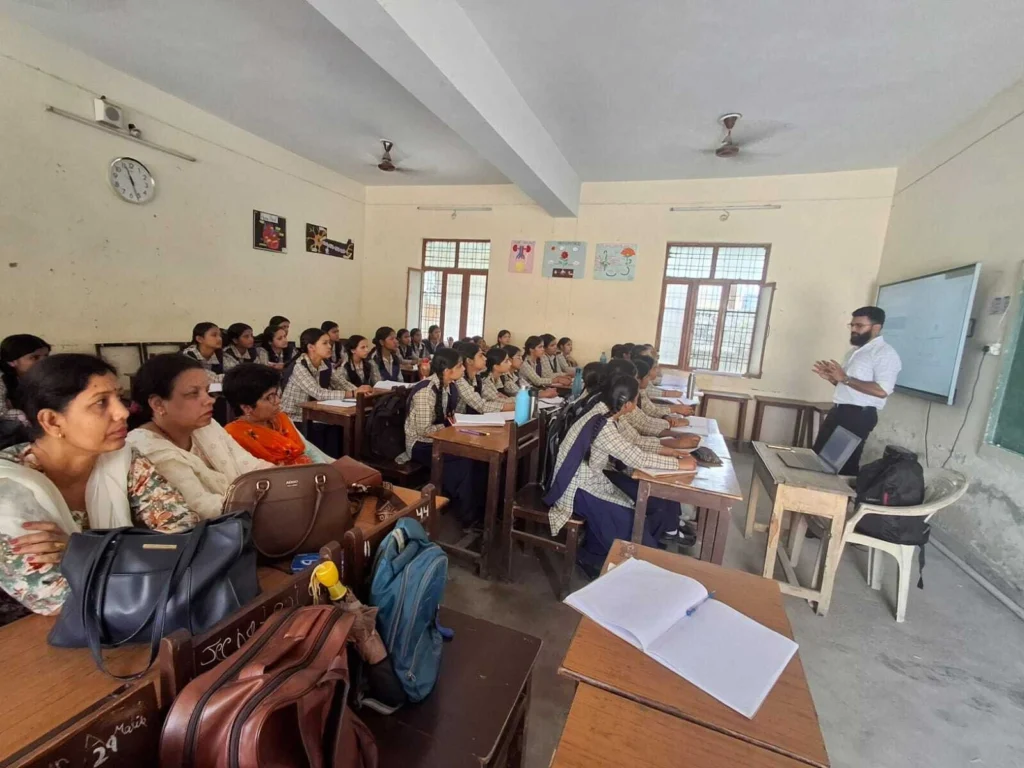
Let’s be real here; when was the last time you used the Pythagoras theorem in your real life?… Now just think about how often you’ve had to send an executive email or work with a team or solve a tricky problem or give a presentation in front of a large group. That’s what NGOs are trying to bridge with training and mentoring: learn how to write a resume, organize one’s money, talk to one’s self clearly, think critically, and even navigate the interview like the pros. These are the things employers are really looking for, and more importantly these are the things that help young people believe in themselves. And that belief? It changes everything.
2.Helping Young People Become Entrepreneurs — Not Just Job Seekers
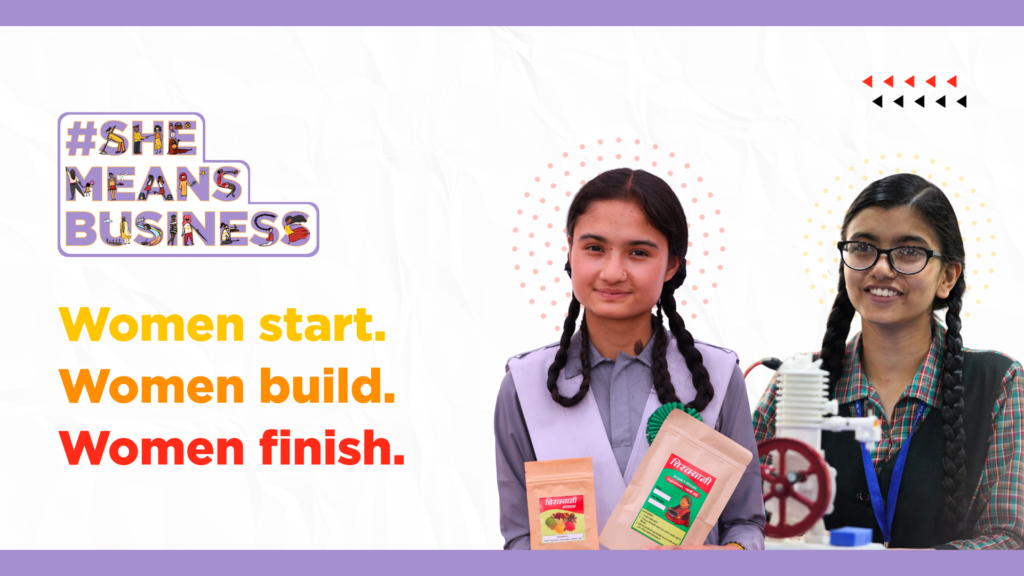
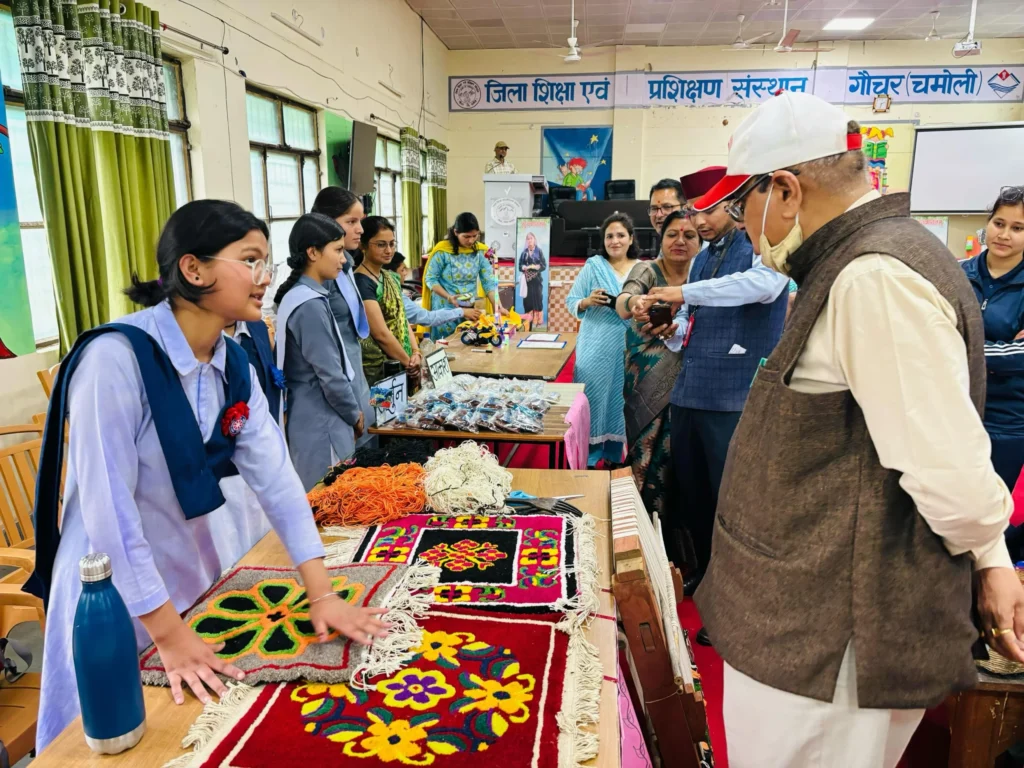
Not everyone wants to work a 9 to 5 job. Some would rather start their own business – a bakery, clothing line, mobile repair shop or maybe a tech startup. But seriously… starting a business is nerve-racking… where do you start? So, the reason some programs like Udhyam Vyapaar are such game changers is because instead of just talking about entrepreneurship they let us live it by running small businesses in school – making real sales, solving real problems and learning from your mistakes! Some make money and some don’t, but all of them grow. Because entrepreneurship isn’t just about money. It’s about mindset. It’s about you saying “you can” when the world says you can’t.
3.Opening Doors That Were Never Open Before
We talk about ” networking ” a lot, but how do you network when you do n’t have people to talk to? That’s something Education NGOs are also doing. They connect young people to people who are mentors, role models and employers – not just in formal settings but in practical conversations and what that really means to them. We’ve had students say things like “never thought I’d say this to a CEO — and now I have.” That moment can mean everything. Because once you see yourself in that room, you start to think you belong there. And that’s when the magic begins.
4.Supporting Small Town Dreams
Here ‘s something we just don’t think of: Not every opportunity is in big cities. In fact, some of the most exciting things are happening in small towns and villages, when young people are developing local skills and local businesses — for example, someone’s mother is a great tailor, or someone’s father has the best mangoes in the district, because suddenly these skills form the soil of a family business. ED NGOs are now starting to do this, helping the youth get connected to government schemes, teach them the basics of finances and marketing, and help them turn their passion into business. We’ve seen a young girl learn how to make cookies, and she opened a small-town bakery; now three employees work there. That’s not just one success; that’s an exponential progress.
5.Changing the System, Not Just Lives
But here’s the thing: if we really want to change things for the better, we need to go beyond helping one person at a time – what we really need to do is change the system that is making life worse for young people. For that reason a lot of Education NGOs are also behind the scenes working – reaching out to different governments, schools and corporations to make entrepreneurship part of the daily learning process, skilling programs more youth friendly and policies not to leave anyone behind. It’s slow work. It’s quiet work. But it’s necessary work.
So, What Can You Do?
If any of this resonates with you you might ask: How can I help you? You can be a mentor to a young entrepreneur. You can help students start a business. You can help spread the word about how organizations like Udhyam Learning Foundation are working. Or just share this article with someone who needed to know what’s possible. Because when we show up for our youth — not just with advice, but with belief — we change lives.
Final Thoughts
India’s young people are really smart; they want opportunity; they want to be builder and designer and founder and creator. All they want to know is someone will have faith in them; and systems will let them be.
- At Udhyam Learning Foundation, we’ve seen it all:
- A shy girl pitching her first business idea.
- A young man landing his first interview after months of rejection.
- A quiet village buzzing with new businesses and new hope.
- This isn’t just about fixing unemployment.
- It’s about building a future — together.
- Let’s stop building for youth.
- Let’s start building with them.
FAQs
1.What exactly do Education NGOs in India for youth do?
Education NGOs are doing much more than just “educating” in the traditional sense. They’re helping young people build the confidence, mindset, and practical skills needed to navigate the real world. This includes everything from learning how to communicate effectively, solve problems, and work in teams — to understanding how to write a resume, prepare for an interview, or manage money wisely. In many cases, they’re also opening doors to opportunities that these young people might never have accessed otherwise — through mentorship, job exposure, and entrepreneurial training. It’s about preparing for life, not just for exams.
2.How are NGOs different from job agencies?
The difference lies in the depth and intention. Job agencies often focus on filling vacancies — matching a candidate to an available role. NGOs, especially those focused on youth empowerment, go several steps further. They help young people discover who they are, what they’re good at, and what kind of future they want to create — whether that’s through employment or starting their own venture. It’s a much more holistic, long-term investment in personal growth, not just a short-term fix for unemployment.
3.What kinds of youth employment programs exist today?
Today’s youth employment landscape is incredibly diverse — and that’s a good thing, because young people have different dreams, interests, and strengths. You’ll find:
- Tech bootcamps that teach coding, app development, and digital literacy
- Apprenticeship programs in emerging industries like renewable energy, digital marketing, logistics, and hospitality
- Soft-skills workshops that build confidence, communication, and critical thinking
- Entrepreneurship challenges where students launch and run real businesses
- On-the-job learning opportunities in small and medium-sized enterprises The goal is to make youth future-ready — not just job-ready.
4.How do NGOs support small businesses and young entrepreneurs?
Support comes in many forms, but it always starts with belief — in the idea, and in the person behind it. NGOs provide:
- Mentorship from experienced entrepreneurs and industry experts
- Hands-on training in finance, sales, marketing, customer service, and business planning
- Seed funding or help accessing government schemes and microloans
- Peer learning spaces, where young people can exchange ideas, learn from setbacks, and grow together
- Market exposure through fairs, pop-up events, and community showcases It’s not just about starting a business — it’s about helping that business survive, thrive, and scale.
5.How can I support Udhyam Learning Foundation’s mission?
There are so many ways to get involved, and every effort counts:
- Become a mentor: Share your time and experience with a young entrepreneur or student
- Fund a student-led business: Even small amounts can make a big difference at the early stage
- Partner with us: If you’re an organization or business, collaborate on skilling, mentoring, or hiring
- Share their stories: Use your voice or platform to spotlight the journeys of young changemakers
- Volunteer your expertise: Facilitate a workshop, help design a curriculum, or offer consulting support When you support Udhyam
- Foundation, you’re not just helping one student — you’re helping shift the system toward a more equitable, empowered future.