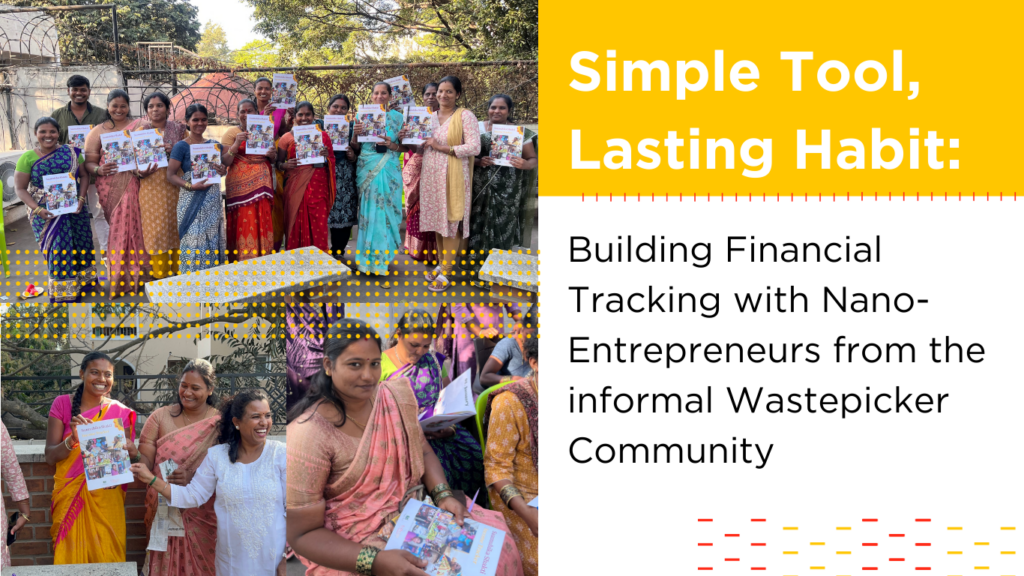
India is a country of villages. The majority of the Indian population is in rural regions. For a long period, people believed that only the city could provide jobs, development, and fresh ideas. But now things are changing.
In the United States, residents in villages and towns start their own businesses and transform their lives. These are known as the rural entrepreneurs. They don’t have to wait for the big corporations to arrive and are creating their own path and establishing a brand new India through their passion and determination.
What Is Rural Entrepreneurship?
Let’s start with a basic question: what exactly is rural entrepreneurialism?
Rural entrepreneurialism involves the creation and operation of small or medium-sized enterprises located in rural areas or in villages. Entrepreneurs make use of local resources, expertise, and concepts to create worthwhile products or services.
For instance:
- A woman sets up an enterprise in the dairy industry within her community.
- A farmer who offers organically grown vegetables directly to the customers.
- A young person who begins an in-depth solar energy project to power homes in rural areas.
All of these are instances of rural entrepreneurialism across India.
In simpler terms, rural entrepreneurship means that rural people make their own jobs rather than shifting to cities.
Why Rural Entrepreneurship Is Important
Rural entrepreneurship plays a crucial role in the development of a stronger India. Here’s why:
1. Creates Local Jobs
When businesses are established in rural areas, they offer jobs to other members of their community. This can reduce the number of people who move from rural areas to cities.
2. Uses Local Resources
Villages are blessed with a wealth of natural resources, including the land, water, crops, and traditional techniques. Rural entrepreneurs utilize these resources in a way that is efficient to make useful products.
3. Empowers Women
Many rural women are launching small-scale enterprises such as making pickles, crafts, or even clothes. This provides them with income and autonomy.
4. Reduces Poverty
If more people make money in the villages, it boosts economic growth in the area. Families can afford healthcare, education, and a more comfortable lifestyle.
5. Supports Sustainable Development
Rural enterprises often employ environmentally friendly and natural methods that preserve the environment and encourage sustainable growth.
The Changing Face of Rural Entrepreneurship in India
In the past, rural enterprises were founded on handicrafts or farming. However, today, the landscape is rapidly changing.
With the aid of technology, as well as internet access and even government programs, Rural entrepreneurs can do amazing things. Let’s take a look at how entrepreneurship among rural people in India is growing in various ways:
1. Agriculture-Based Businesses
Farmers are no longer merely cultivating crops. Many have created value-added companies, such as:
- Organic farming
- The dairy and the poultry farm
- Units for food processing (like making pickles, jam chips, jam, or pickles)
This allows them to increase their income and decrease wasted resources.
2. Handicrafts and Cottage Industries
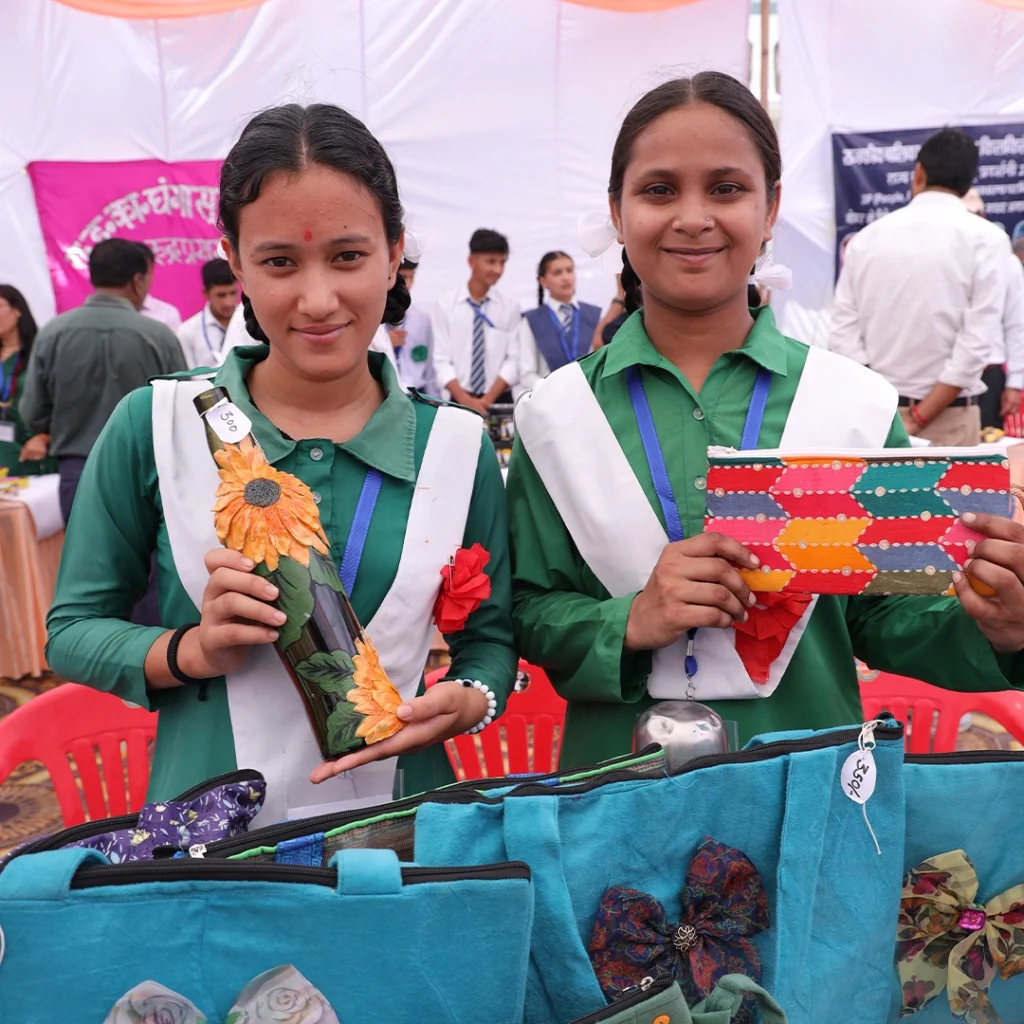
The Indian villages are brimming with crafts and art. The people make gorgeous pottery, handloom clothing, bamboo items, and jewelry.
Through local and online fairs, these hand-crafted products are now reaching major cities, as well as foreign countries.
3. Rural Tourism
Certain villages have been transformed into tourist destinations by providing homestays and local experiences. Villagers can enjoy village life, traditional meals, and craft activities. The villagers earn a profit through tourism.
4. Renewable Energy Startups
Young entrepreneurs from rural areas are launching small wind, solar, or biogas initiatives. These projects provide affordable and clean energy to farms and homes.
5. Digital and E-commerce Businesses
Thanks to the growth of online, those living in smaller towns are able to sell their goods on the internet. Rural entrepreneurs have begun using platforms such as Amazon, Flipkart, and social media platforms to reach out to many more potential customers.
Government Support for Rural Entrepreneurship
The Indian government has introduced a variety of initiatives to promote rural entrepreneurs within India. These programs offer training and funding as well as support for rural entrepreneurs.
Some popular schemes include:
- Startup India – Mentors and supports new entrepreneurs through mentorship, financial assistance, and business guidance.
- Pradhan Mantri Mudra Yojana (PMMY) – Offers small-sized loans to entrepreneurs who want to establish or expand their businesses.
- Deen Dayal Upadhyaya Grameen Kaushalya Yojana (DDU-GKY) – Trains rural youth to develop job skills.
- Khadi as well as Village Industries Commission (KVIC) – Helps support traditional industries like handlooms, pottery, handicrafts, and textiles.
- National Rural Livelihood Mission (NRLM) – Encourages women’s self-help groups to create small-scale businesses.
These programs help thousands of entrepreneurs from rural areas start new ventures and make their goals become reality.
Real-Life Success Stories of Rural Entrepreneurs
To comprehend the power of rural entrepreneurs, let’s take a look at a few actual examples:
1. Mahila Self-Help Groups in Tamil Nadu
Women in small villages are creating snacks and candles as well as handicrafts. They market their products at local markets and make a regular income.
2. Amul — The Dairy Revolution
Amul began as a small co-operative that was formed by farmers from Gujarat. It is now one of the largest dairy companies in India. This shows how small-scale local efforts can result in nationwide success stories.
3. Organic Farmers in Sikkim
A lot of farmers from Sikkim have switched to organic farming. The whole state is renowned for its non-chemical crops, which means that farmers make more from organically grown produce.
4. E-Choupal by ITC
The project connects farmers directly with market prices using online platforms. It assists farmers in getting the best prices possible for their crop, as well as gaining access to useful information.
These examples demonstrate how the rural entrepreneurship that is taking place in India has a profound impact on the direction of the country.
Challenges Faced by Rural Entrepreneurs
Although rural entrepreneurship is on the rise, it is still facing several challenges.
1. Lack of Awareness
A lot of people are unaware of the government programs or training courses offered to them.
2. Limited Access to Finance
The process of obtaining loans or money from banks remains a struggle for small businesses in rural regions.
3. Poor Infrastructure
The lack of roads, power, and internet access in certain areas can make business more difficult.
4. Low Education and Skills
A few people lack the right education or knowledge about business, which hinders their development.
5. Market Access
Rural entrepreneurs are often struggling to attract customers outside of their area of operation.
How to Support Rural Entrepreneurship
In order to strengthen rural entrepreneurship, everyone — the public, private, and even the citizens should work together.
We can assist:
- Training and digital education in the villages.
- Create better roads and improve internet connections.
- Buy local products to support local businesses, “Made in Rural India” products.
- Encourage youngsters to start businesses rather than going to villages.
- Facilitate loan access and marketing assistance.
If rural India expands, the entire nation expands.
The Future of Rural Entrepreneurship in India
The future is promising for rural entrepreneurs in India. With improved education, modern technology, and assistance, rural entrepreneurs are becoming confident entrepreneurs.
We can anticipate being able to
- There are more startups in farming tourism and digital services.
- More women entrepreneurs are leading village businesses.
- Sustainable and eco-friendly rural industries.
- Youth from rural areas are using modern technology and innovative ideas to address local issues.
Rural entrepreneurship isn’t just about business. It’s about fostering confidence, self-reliance, and self-confidence in the villages of India.
Conclusion
The rural entrepreneurs can be the real creators of the emerging India. They’re showing that success doesn’t just have to be found in big cities; it can be started from a tiny village, too.
Through their courage, ingenuity, and the right kind of support, these hardworking individuals are making a difference in their lives and inspiring millions of people.
Each time a farmer sells his organic produce or a woman starts her own small-scale company,
or a young person creates a rural business, India is taking another step towards advancement.
India’s future India is in its villages, and the entrepreneurship of rural India serves as the bridge connecting visions with reality.
FAQs
1. What is the definition of rural entrepreneurialism?
Rural entrepreneurship is the act of creating small or medium-sized businesses in rural regions. It can help people find jobs, make use of local resources, and improve the quality of life in villages.
2. Why is rural entrepreneurship so important?
The creation of jobs lowers the burden on women and contributes to the overall growth of India’s economy.
3. Are there any examples of rural entrepreneurs in India?
These include milk farms, handicrafts industries, rural tourism, organic farming, and solar energy startups.
4. How can the government help the rural entrepreneurs?
The government operates a number of programs, including Mudra Yojana, Startup India, KVIC, and NRLM, to provide financial and training assistance.