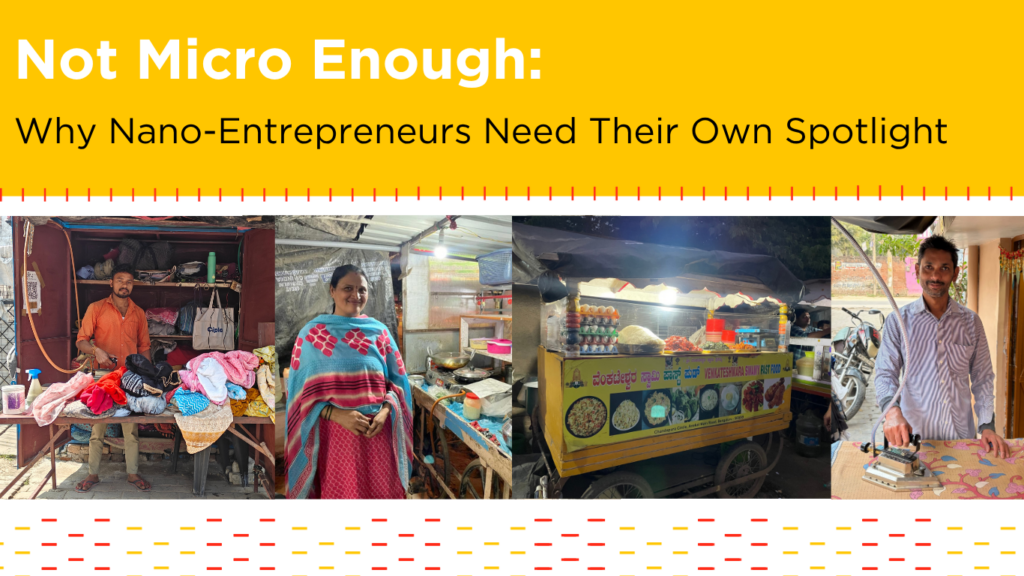
In a city like Bengaluru, street food is not an occasional indulgence, it is daily infrastructure. From early morning idli carts to late-night chai stalls, millions rely on these hyper-local businesses for affordable, accessible meals.
Estimates suggest that 6 – 8 million people in Bangalore regularly consume street food, and 1.4 – 2 million depend on it as a daily source of sustenance. For many, street food is not a choice, but a necessity shaped by long working hours, lack of access to kitchens, and the economics of urban living.
At the centre of this ecosystem are food vendors who power city life while operating on thin margins, long hours, and constant uncertainty.
Despite their importance, their work is often marked by:
- Limited infrastructure
- Health and safety risks
- Regulatory ambiguity
- Minimal access to growth opportunities
The question then is not just how to support them but how to do so in a way that reflects their lived realities.
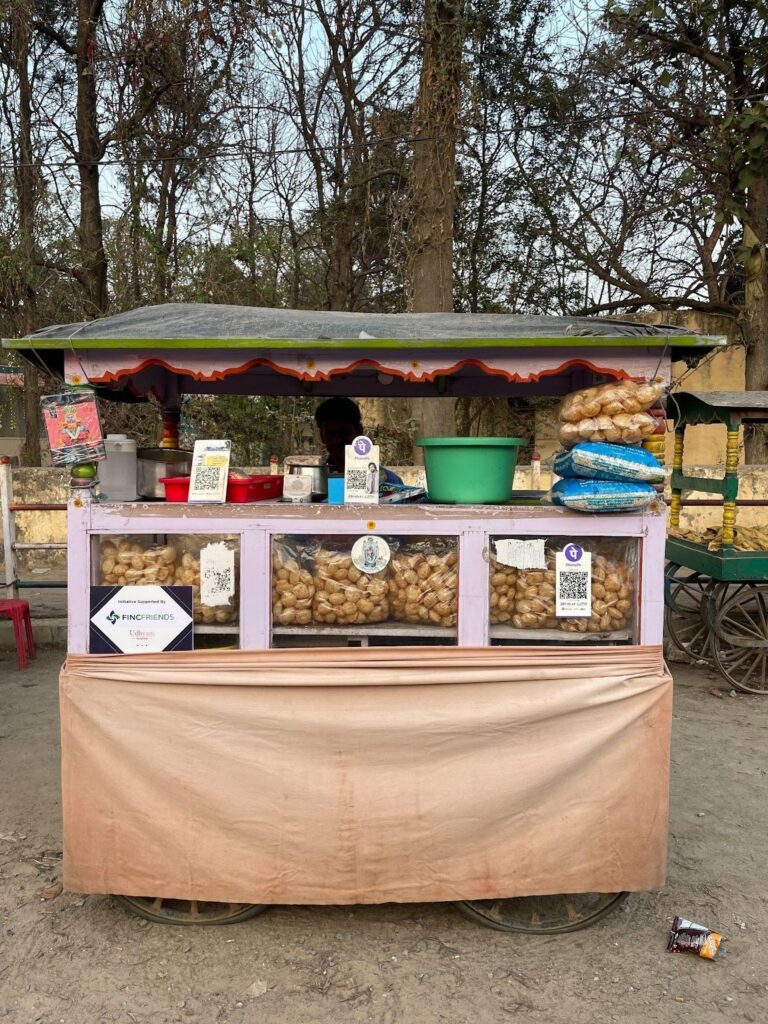
The Food Project by Udhyam Vyapaar emerges from this need: to move beyond assumptions and build solutions that are grounded in how these businesses actually function.
What entrepreneurship looks like on the ground
A typical day for a food vendor begins long before the first customer arrives.
There is sourcing – often early in the morning to secure fresh, affordable ingredients. There is preparation, sometimes done in shared or constrained spaces. Then comes the set-up: assembling carts, arranging utensils, ensuring everything is ready for peak hours.
The workday itself is long and unpredictable.
A sudden rain can wipe out evening sales.
A supply delay can affect the entire day’s earnings.
A minor health issue can mean no income for that day.
Beyond the stall, there are other responsibilities like childcare, household management, loan repayments and for many, especially women, entrepreneurship happens alongside caregiving.
It is also important to recognise that “food vendors” are not a monolith.
They include:
- Women running small tiffin or snack setups
- Migrant workers operating mobile carts
- Multi-generational businesses with established customer bases
- Young entrepreneurs experimenting with new formats
- Stalls that operate at varied timings, like breakfast only service
- Stalls that cater to specific to specific food demographics like veg only carts, chaat carts, non-veg carts etc.
Each operates in a different context, with different constraints, ambitions, and risk thresholds.
When one-size-fits-all doesn’t work
Efforts to support street vendors often follow familiar patterns:
a training workshop, a loan product, or the provision of equipment.
While well-intentioned, these approaches frequently fall short because they assume that the constraint is singular—and that the solution can be standardised.
In reality, challenges are layered.
A vendor may have access to credit but lack the confidence to invest.
Another may receive equipment but struggle with space constraints.
A third may attend training but be unable to implement learnings due to time pressures or competing priorities.
Designing support around people, not programs
The Food Project was built on a simple but powerful idea:
If every business is different, support must be too.
Support was designed across five key areas:
- Improving front-end service and customer experience
- Optimising cooking operations and efficiency
- Upgrading physical infrastructure such as carts and setups
- Strengthening culinary skills
- Enhancing digital visibility
But more importantly, it involved 1-on-1 mentoring, working alongside vendors to identify what would make the most difference for their specific business.
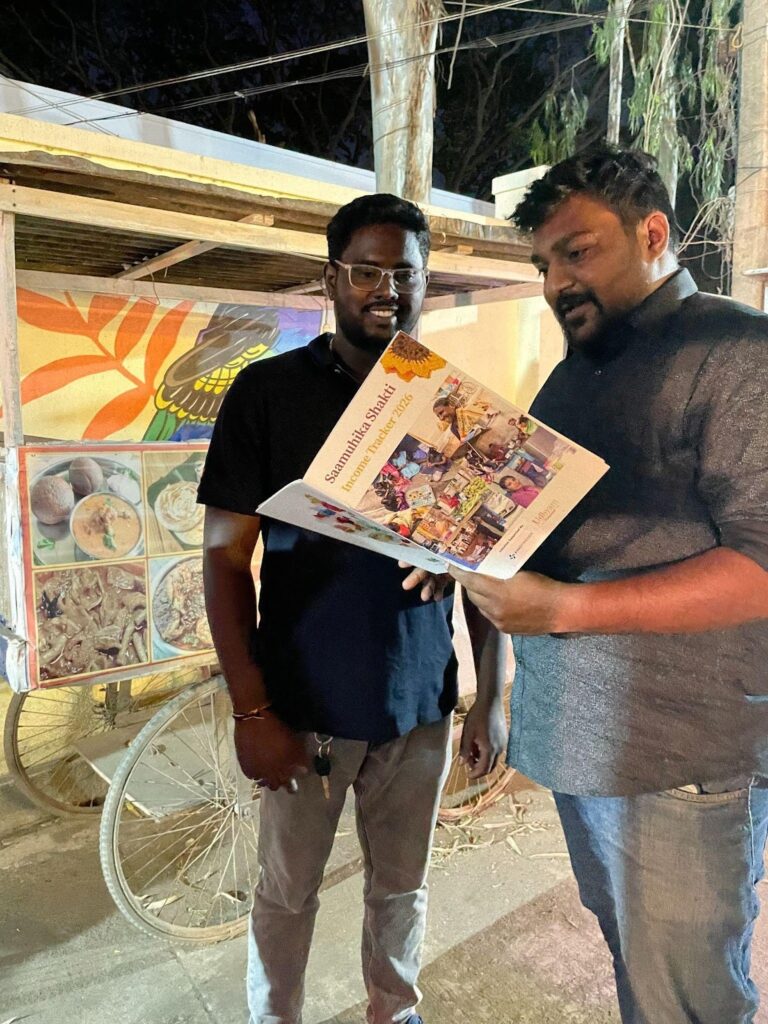
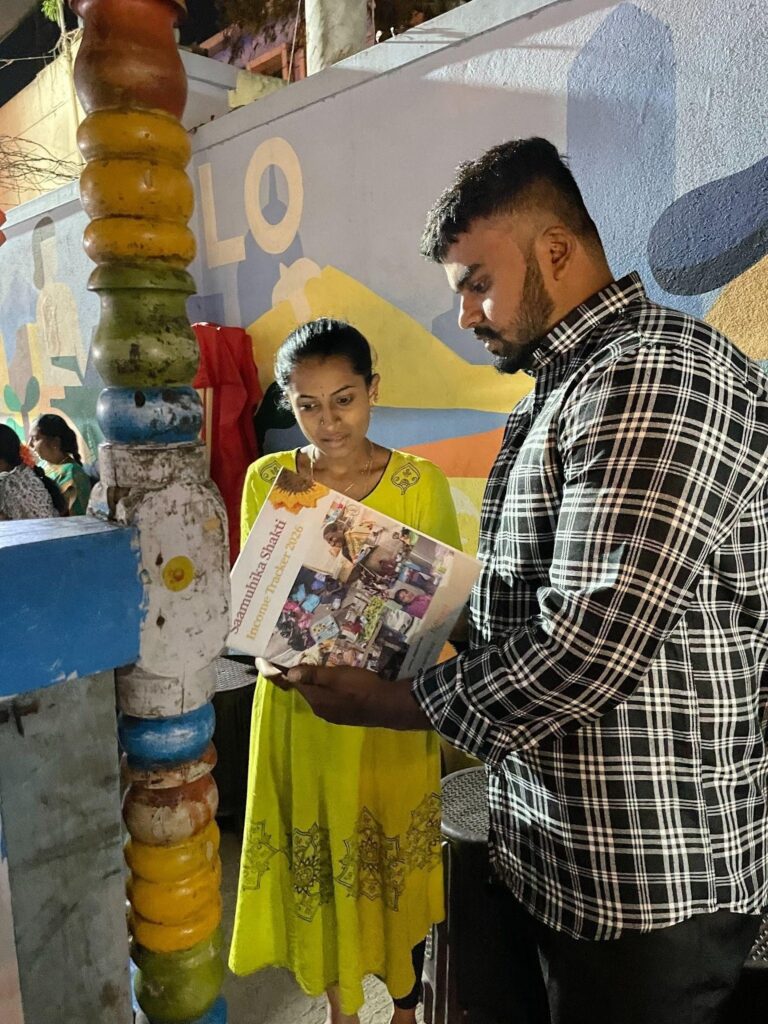
Field teams played a critical role here.
They are not just implementers, but trusted partners, building relationships, understanding nuances, and enabling problem-solving.
Over the past year, the project has engaged with 200+ food vendors.
Since January 2026, the initiative has also expanded its reach by onboarding 70 additional food vendors in partnership with FincFriends, a digital lending platform working to improve access to timely and reliable credit for underserved communities.
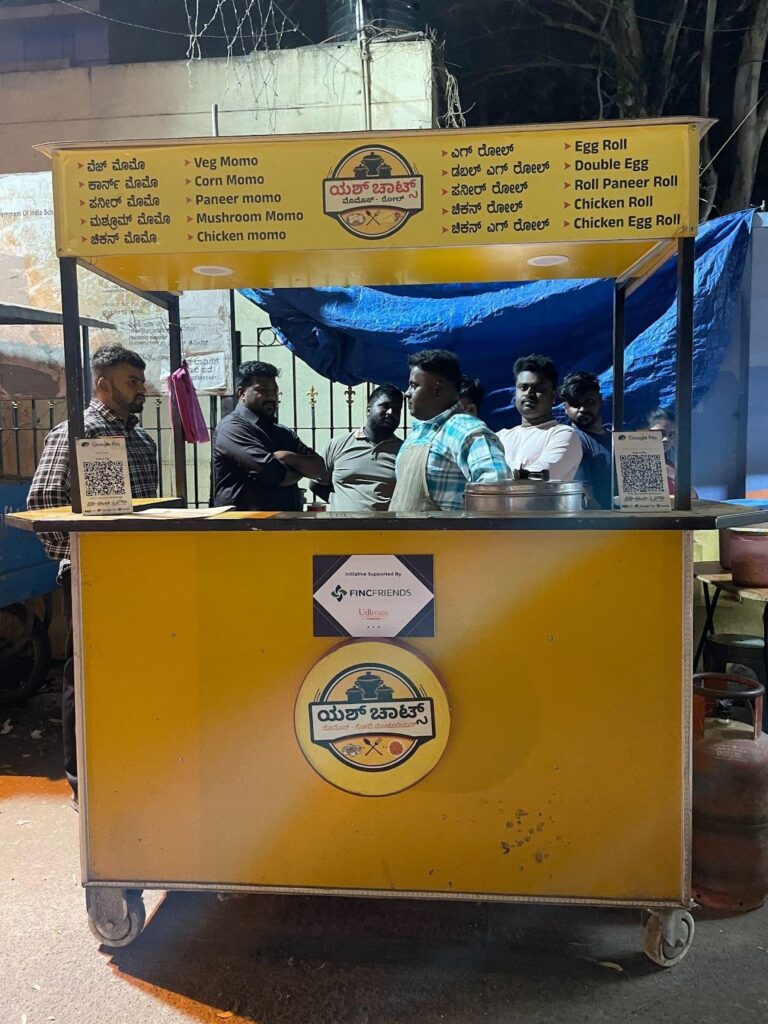
- Providing seating to improve customer comfort
- Installing name boards and lighting to increase visibility
- Upgrading utensils and cooking capacity to serve more customers
- Offering shaded canopies to make businesses weather-resilient
As cities continue to grow, so will their dependence on these nano-enterprises.
The question is whether systems will evolve to support them in meaningful ways.
This work is one step in that direction.