“It used to hurt seeing my husband ride a cycle. So I worked harder, saved bit by bit, and bought him a motorcycle. Last month, I finished paying the EMI.”
That one sentence stayed with me long after I left.
We often associate entrepreneurship with scale, visibility, and innovation. But a month ago, while shooting for our rural project across parts of Madhya Pradesh and Maharashtra, I encountered a very different kind of enterprise – one that quietly transforms lives without ever making it to headlines.
The women I met held up a mirror to what real, ground-level empowerment looks like. In urban conversations, entrepreneurship is often framed around ambition and growth. Here, it begins with responsibility. It begins with the need to support a family, to build stability, to create dignity in everyday life.
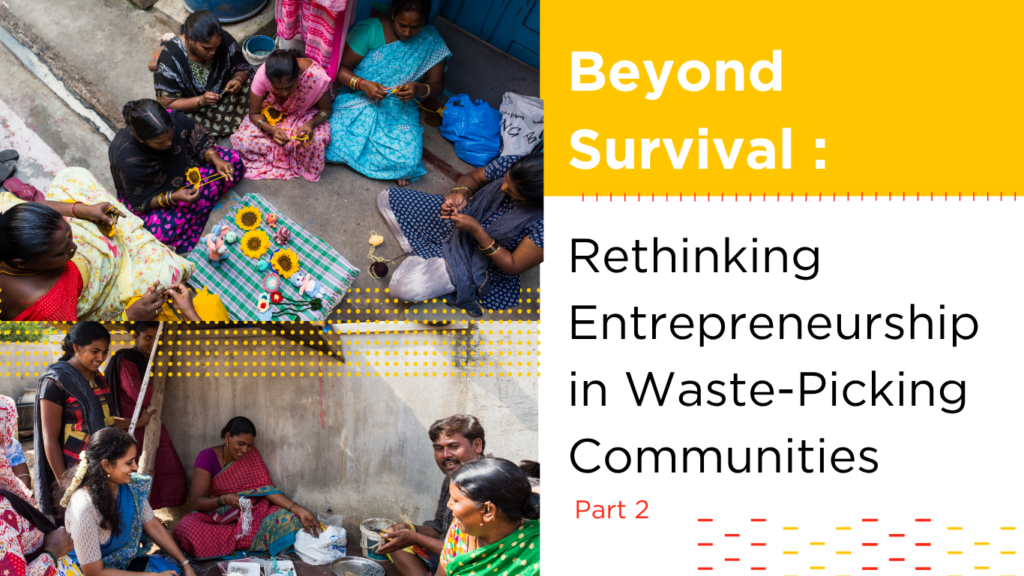
Take Shirin Ansari, who stitches and sells burqas. What started as a means to earn has grown into a small ecosystem of change. Today, she works with 10 other women, enabling them to earn and stand on their own feet. Alongside this, she manages her household and raises her two children independently. There are no pitch decks or brand stories here, just consistent effort and a ripple effect that extends far beyond one individual.
And then there is Kavita.
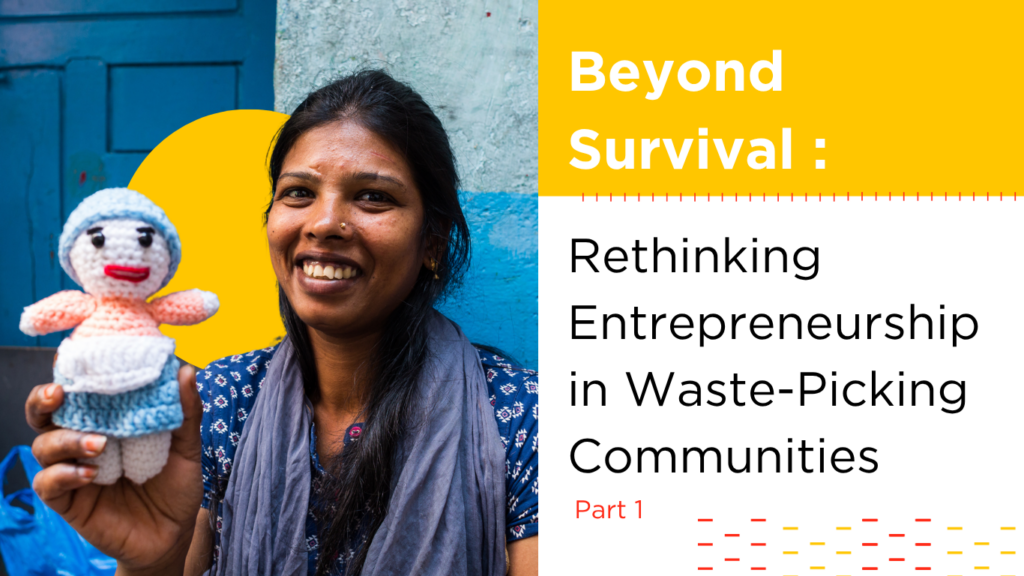
A tailor working as part of a collective, Kavita’s journey is rooted in quiet determination. She spoke about how things used to be – limited income, constant adjustments, and a lingering feeling of not being able to contribute enough. Watching her husband cycle long distances for work wasn’t just about the hardship; it became a turning point for her.
What stood out most was how different the definition of success felt. In Tier 1 cities, entrepreneurship is often about building something new. In these villages, it is about building something necessary. It is shaped by community, driven by purpose, and sustained by resilience.
There is no spotlight, no stage like Shark Tank, and yet the impact is undeniable. These women are not just running businesses; they are reshaping their households, influencing their communities, and slowly rewriting what empowerment looks like.
As Mahatma Gandhi once said, “The soul of India lives in its villages.” Through this journey, that idea moved from being a quote I had read to something I had truly felt.
This experience didn’t just change how I view women-led businesses. It made me realise that entrepreneurship, at its core, is not about where you start or how visible you are. It is about courage, intent, and the quiet determination to change your reality,and in doing so, change the lives around you.